
Our editorial team individually chooses every product for kitchen storage that is suggested on neatcupkit. We might get paid if you buy something after clicking on any of these links.
Designing your kitchen cabinets can feel like a huge task. It sets the tone for your entire kitchen. A good design makes your kitchen functional and beautiful. This guide will show you how to design kitchen cabinets step by step.
You will learn about different cabinet styles and layouts. We will cover everything from measuring your space to picking hardware. By the end, you’ll know how to create the kitchen of your dreams. Let’s start designing your perfect kitchen cabinets.
Before you start, it’s important to understand the basics. Kitchen cabinets are more than just storage. They are a key part of your kitchen’s design and feel.
What Are Kitchen Cabinets?
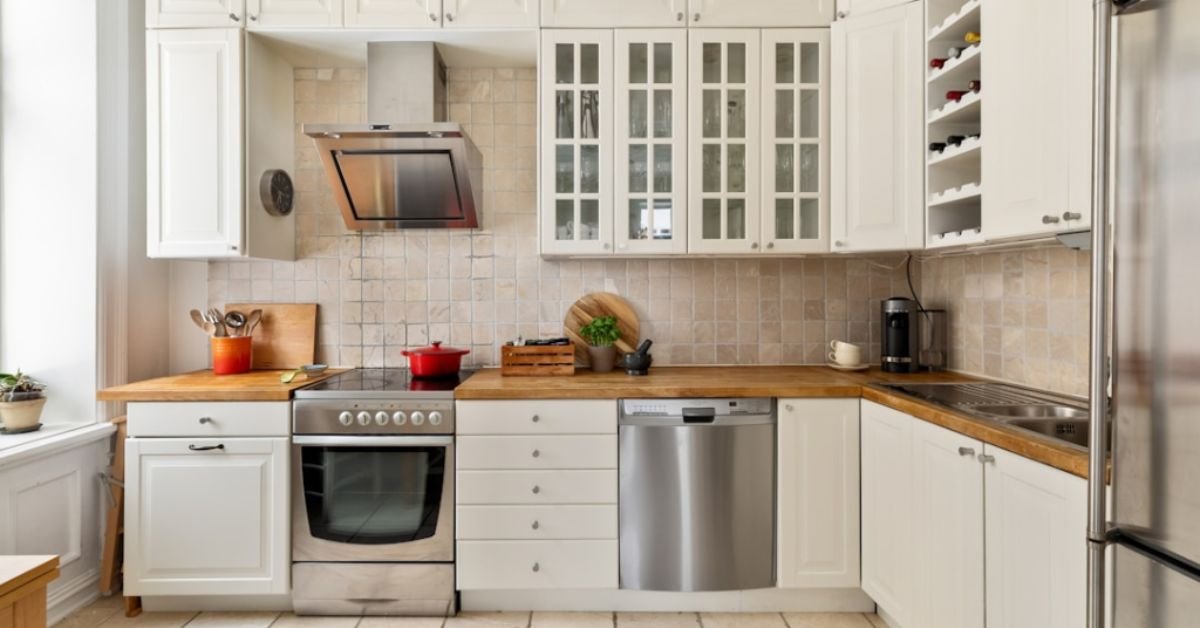
Kitchen cabinets are built-in furniture installed in kitchens for storage. They hold food, cooking equipment, and tableware. They consist of upper cabinets (wall cabinets) and lower cabinets (base cabinets). These elements work together to create a functional kitchen space.
Importance of Kitchen Cabinets in Design
Kitchen cabinets are the backbone of your kitchen’s aesthetic. They take up a lot of visual space. The style, color, and finish you choose will define your kitchen’s look. Good kitchen cabinet design makes your room feel organized and welcoming.
Types of Kitchen Cabinet Styles
There are many kitchen cabinet styles to choose from. Each one offers a different look.
A good layout is the foundation of a great kitchen. It ensures your kitchen is easy to use.
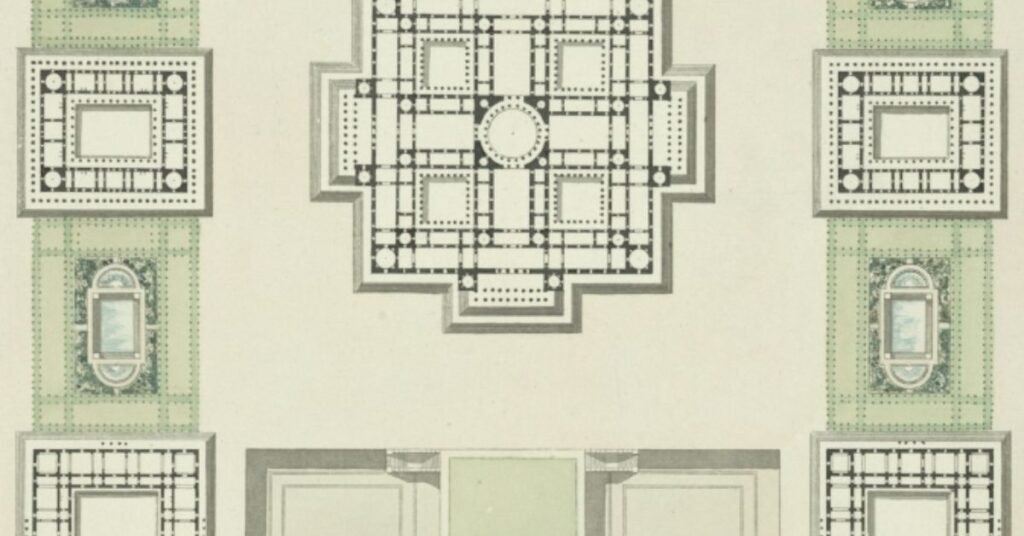
Creating an Efficient Kitchen Layout
The kitchen work triangle is a classic design concept. It connects the sink, refrigerator, and stove. Keeping these three points close makes cooking more efficient. Your kitchen cabinets should be planned around this triangle.
Factors to Consider in Kitchen Design
Think about how you use your kitchen. Do you cook a lot? Do you entertain guests often? Consider the flow of traffic. Make sure there is enough space to move around comfortably, especially if more than one person will be cooking. Your floor plan should also account for plumbing and electrical outlets.
Utilizing Space: Upper and Lower Cabinets
Upper and lower kitchen cabinets serve different purposes. Lower cabinets are deeper and hold larger items like pots and pans. Upper cabinets are for lighter items like glasses and plates. A mix of both maximizes your storage options.
Ready to design your own kitchen cabinets? Here is a simple guide for beginners.
Step 1: Measure Your Kitchen Space
First, measure your kitchen carefully. Get the dimensions of the walls, windows, and doors. Note the location of plumbing and electrical outlets. You can use an online kitchen planner, like the IKEA kitchen planner or another free kitchen design tool, to create a kitchen layout drawing. This is a crucial first step for designing kitchen cabinets.
Step 2: Choose Cabinet Styles and Materials
Next, pick your cabinet styles and materials. Consider the overall style of your home. Popular materials for kitchen cabinets include solid wood, plywood, MDF, and particleboard. Each has its own pros and cons in terms of cost and durability.
Step 3: Plan the Cabinet Layout
Now, plan the placement of your kitchen cabinets. Use your measurements and floor plan. A 3D kitchen design free tool can help you visualize the space. Start with the corners and then fill in the rest. Make sure to leave space for your appliances like the refrigerator, dishwasher, and oven.
The color and finish of your kitchen cabinets have a big impact. They tie the whole design together.

Selecting the Right Color for Your Cabinets
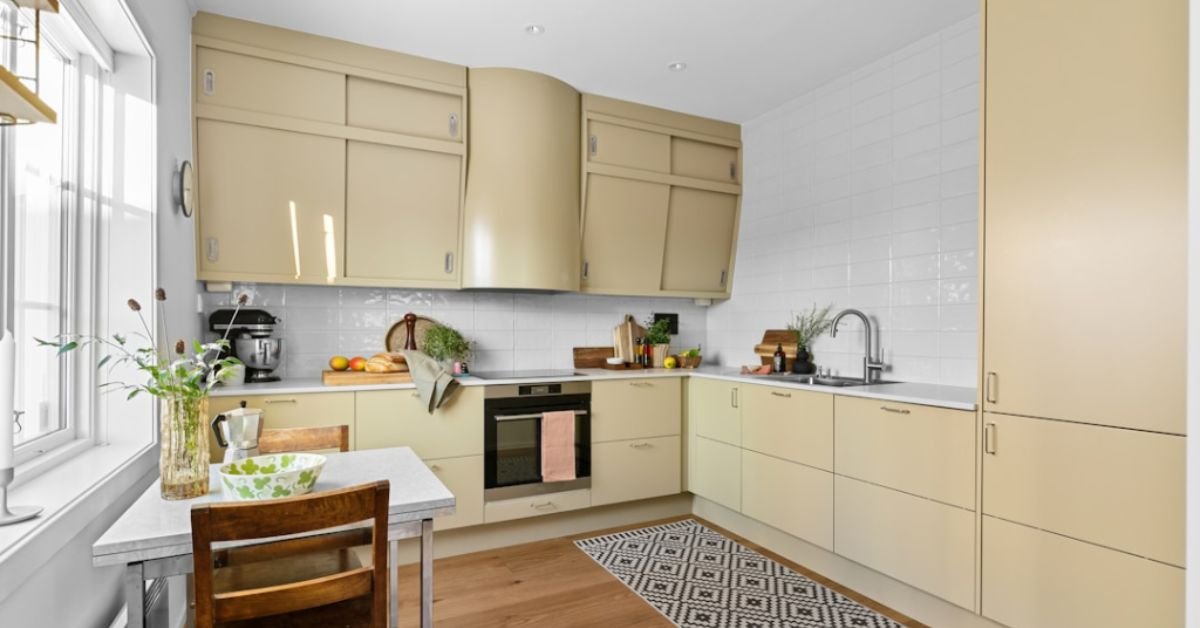
White kitchen cabinets are timeless and make a space feel bright. Darker colors can create a dramatic, sophisticated look. You can also use a two-tone scheme, with different colors for your upper and lower kitchen cabinets.
Popular Finish Types for Kitchen Cabinets
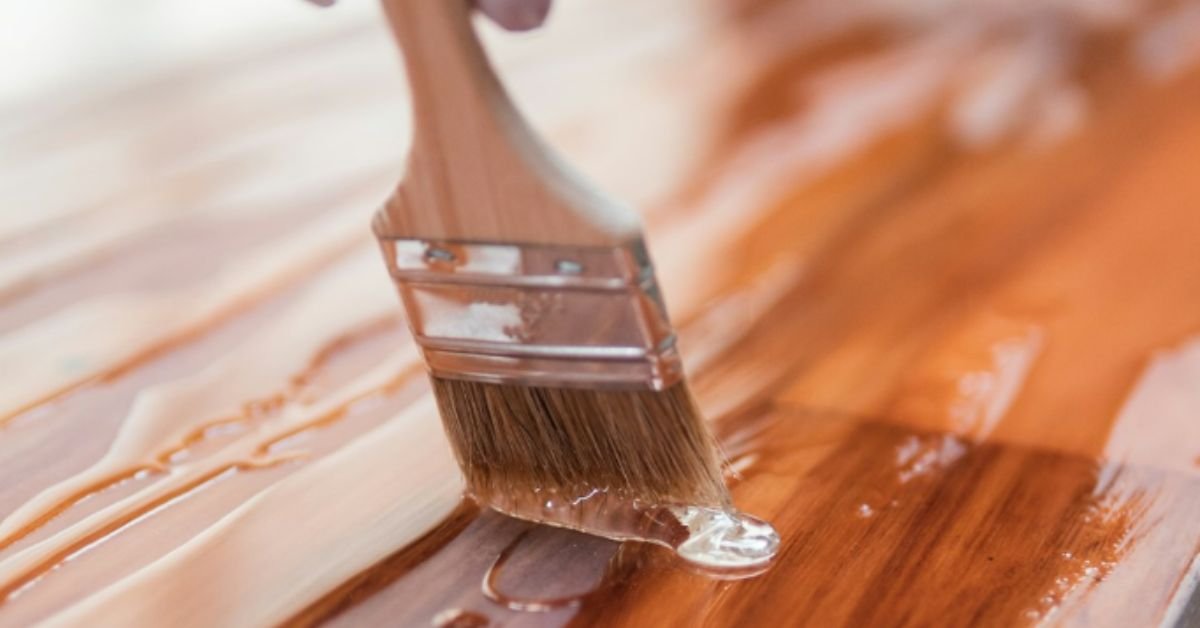
The finish protects your kitchen cabinets and adds to their style.
Integrating Colors with Kitchen Design
Your kitchen cabinet color should complement your countertops, backsplash, and flooring. Use a color wheel to find pleasing combinations. Don’t be afraid to get samples and see how they look in your space.
Your kitchen cabinet color should complement your countertops, backsplash, and flooring. Use a color wheel to find pleasing combinations. Don’t be afraid to get samples and see how they look in your space.
Storage Solutions and Organization
Great kitchen cabinets are not just about looks. They also need to be functional.
Maximizing Storage in Kitchen Cabinets
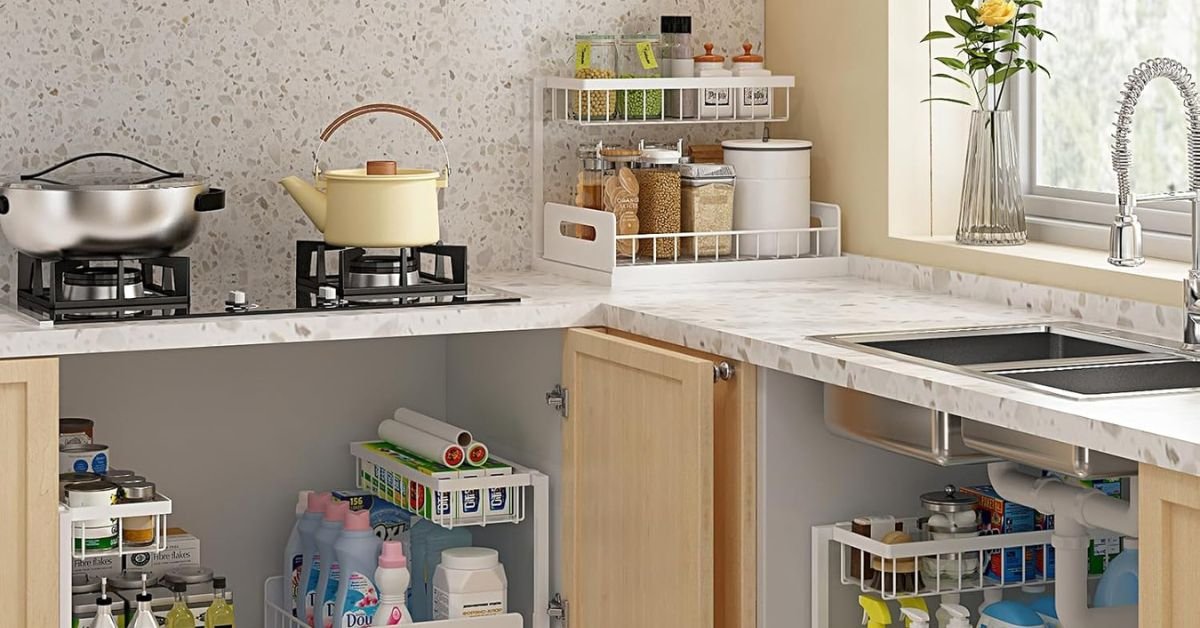
Smart storage solutions help you make the most of your space. Consider pull-out shelves, lazy Susans for corners, and deep drawers. These features make it easier to access everything in your kitchen cabinets.
Smart Organization Tips for Cabinets
Organize your kitchen cabinets by zone. Keep pots and pans near the stove. Store dishes and glasses near the dishwasher. Use drawer dividers for utensils and Tupperware. Keeping your kitchen cabinets organized saves you time and stress.
Utilizing the Pantry Effectively
If you have a pantry, use it wisely. A well-organized pantry can free up a lot of space in your kitchen cabinets. Use shelves, bins, and canisters to keep your food items neat and easy to find.
Hardware is like the jewelry for your kitchen cabinets. It adds the finishing touch.
Choosing the Right Hardware for Functionality
Choose hardware that is comfortable to use. Knobs are simple and easy to grab. Pulls offer a larger surface to grip, which can be better for drawers.
Trendy Hardware Styles to Consider
Matte black, brushed brass, and polished nickel are popular hardware finishes right now. Match the hardware style to your cabinet style. Simple bar pulls work well with modern kitchen cabinets. Ornate knobs can enhance traditional designs.
DIY Hardware Installation Tips
You can install hardware yourself. Use a template to ensure all your knobs and pulls are perfectly aligned. Measure twice, drill once!
Designing kitchen cabinets involves a budget. Planning your costs will help you stay on track.
Setting a Realistic Budget for Cabinets
Kitchen cabinets can be a major expense in a kitchen remodel. Research costs and set a realistic budget. Your budget will influence your material selection and whether you choose custom or modular cabinets.
Cost-Effective Design Solutions
Ready-to-assemble (RTA) kitchen cabinets are a budget-friendly option. You can also save money by refacing your existing cabinets instead of replacing them entirely.
Investing in Quality vs. Affordability
It can be tempting to choose the cheapest option. However, investing in quality kitchen cabinets will pay off in the long run. Durable materials and construction mean your kitchen cabinets will last for years.
Stay updated with the latest trends to give your kitchen a modern feel.
Current Trends in Cabinet Styles
Clean lines and minimalist designs are popular. Two-tone kitchens and open shelving are also on-trend. People are loving kitchen cabinets that feel personal and unique.
Sustainable Materials in Kitchen Design
Eco-friendly materials are becoming more common. Bamboo, reclaimed wood, and recycled materials are great sustainable options for kitchen cabinets.
Integrating Modern Technology in Cabinets
Technology is making its way into kitchen cabinets. Think built-in charging stations, hands-free opening mechanisms, and integrated lighting.
A few final details can elevate your kitchen cabinet design.
Lighting Integration for Cabinets
Under-cabinet lighting is a game-changer. It provides task lighting for your countertops and creates a beautiful ambiance. You can also add lighting inside your glass-front kitchen cabinets to highlight your display items.
Ergonomic Design Considerations
Think about comfort and ease of use. Place frequently used items at an accessible height. Make sure drawers and doors open smoothly. An ergonomic design makes your kitchen a more pleasant place to be.
Finalizing Your Kitchen Design
Take a final look at your plan. Make sure every detail is perfect. Once you are happy with your design, you are ready to bring your new kitchen to life. Knowing how to design kitchen cabinets empowers you to create a space you’ll love.
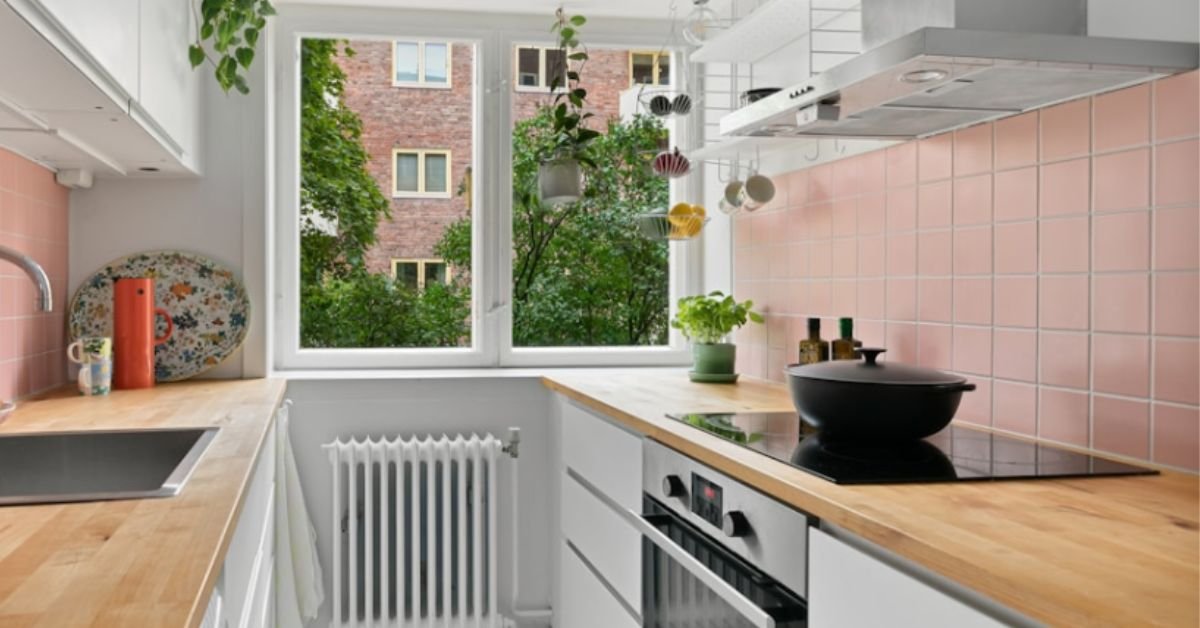
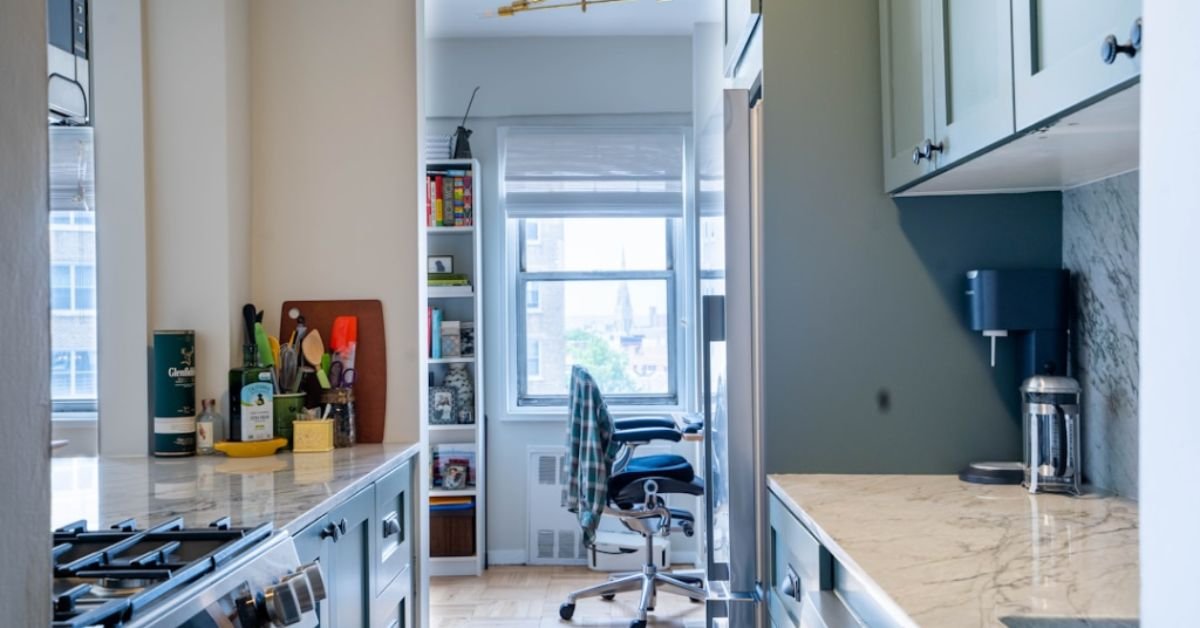
Start with a design plan that considers the appliance work triangle—sink, cooktop, and refrigerator—and the sink and dishwasher relationship to the prep area. For large kitchen or small galley kitchens, map a kitchen floor plan to preserve traffic flow around islands or a peninsula: leave at least 42″ of clearance for main aisles when possible and consider island dimensions that allow simultaneous use. Use u-shaped or g-shaped layouts for more workspace and counter space, and place tall cabinets where they won’t obstruct natural circulation. A kitchen designer or DIY kitchen planner can help balance these elements within your square footage so your dream kitchen supports cooking, food prep and entertaining.
Choose cabinetry that fits your interior style and maintenance needs: painted or stained wood for classic looks, thermofoil for cost-effective durability, and custom cabinetry for unusual layouts or built-ins like a butler’s pantry. Consider tall cabinets to maximize vertical storage and open shelving for display. Countertop materials (granite, quartz, butcher block) impact the overall look and countertop care; coordinate tile backsplashes and kitchen floor materials for a cohesive palette. If you plan to redo the entire kitchen, consult a kitchen designer for material samples and a guide to kitchen finishes to ensure long-term satisfaction.
Create dedicated zones: a prep area near the sink and dishwasher with generous counter space, a cooking zone around the cooktop with adjacent countertop for staging, and a baking or cleanup zone with easy access to the dishwasher. Islands or peninsulas can add counter space for prep and seating; ensure island dimensions provide at least 36–48″ clearance around all sides for safe movement. For large kitchen projects, plan multiple work surfaces and clear sight lines so several people can work without interrupting traffic flow. Pinterest boards and a kitchen designer can provide inspiration and help customize the plan to your lifestyle.
Key elements include complexity, budget, and how much you want to customize. A professional kitchen designer can optimize kitchen cabinet layout, recommend appliance placement, calculate island dimensions, and foresee issues with plumbing or electrical for sink and dishwasher or cooktop installations. DIY kitchen projects can save money on labor but require time, accurate measurements, and knowledge of local codes—especially for gas cooktops or built-in appliances. For large kitchen renovations or when you want custom cabinetry and a cohesive interior, hiring a designer is often worth the investment.
First assess square footage and traffic flow to determine whether an island or peninsula fits without crowding; islands work best with at least 42″–48″ clearance on walkways. A butler’s pantry can be placed between the kitchen and dining area to increase storage and prep space without sacrificing main counter space. If you want a cooktop wall, plan adjacent counter areas for landing and staging and ensure proper ventilation. Consider kitchen floor materials and tile patterns that guide movement and visually define zones. These key elements will help you renovate into a popular kitchen that balances form and function.