Our editorial team individually chooses every product that is suggested on neatcupkit. We might get paid if you buy something after clicking on any of these links.
Planning kitchen storage is one of the most important steps in creating a kitchen that truly works for you. When you plan kitchen storage thoughtfully, every item has a purpose and a place — from utensils and cookware to pantry essentials. A well-planned layout helps you find what you need quickly, reduces countertop clutter, and keeps your kitchen looking tidy and spacious. Beyond organization, it also improves workflow, allowing you to move seamlessly between preparation, cooking, and cleaning. Ultimately, taking the time to plan kitchen storage not only saves time and effort but also transforms everyday cooking into a more enjoyable and stress-free experience.
A well-planned kitchen storage system offers numerous benefits, including increased efficiency, better use of space, easier access to items, and improved kitchen flow. A clear plan for kitchen storage reduces stress and enhances overall kitchen functionality.
Learn how to plan kitchen storage step-by-step to create a functional, organized, and clutter-free kitchen. Discover smart layout ideas, space-saving tips, and practical storage solutions that make cooking easier and your kitchen more efficient.
1. Assess Your Available Space
Begin by taking a close look at the space you have before you plan kitchen storage. Examine every area — cabinets, drawers, pantry shelves, and countertops — to understand how they’re currently being used. Identify wasted or underutilized spaces such as the area above cabinets, corner sections, or the bottom of deep cupboards. By mapping out what’s available, you’ll know exactly where improvements can be made.
2. Understand Your Storage Needs
Before you start rearranging, think about how you use your kitchen daily. Make a list of your most frequently used items like pots, pans, utensils, or small appliances. When you plan kitchen storage, these high-use essentials should always be stored in the most accessible areas — near your stove, prep area, or sink — while occasional-use items can go in higher or harder-to-reach spaces.
3. Organize and Categorize Items
A key part of learning how to plan kitchen storage is grouping similar items together. Store all baking tools in one section, cooking utensils in another, and cleaning supplies separately. Use dividers, trays, and labeled containers to keep drawers and cabinets tidy. This method not only saves time but also ensures you’ll always know where everything belongs.
4. Utilize Vertical and Hidden Storage
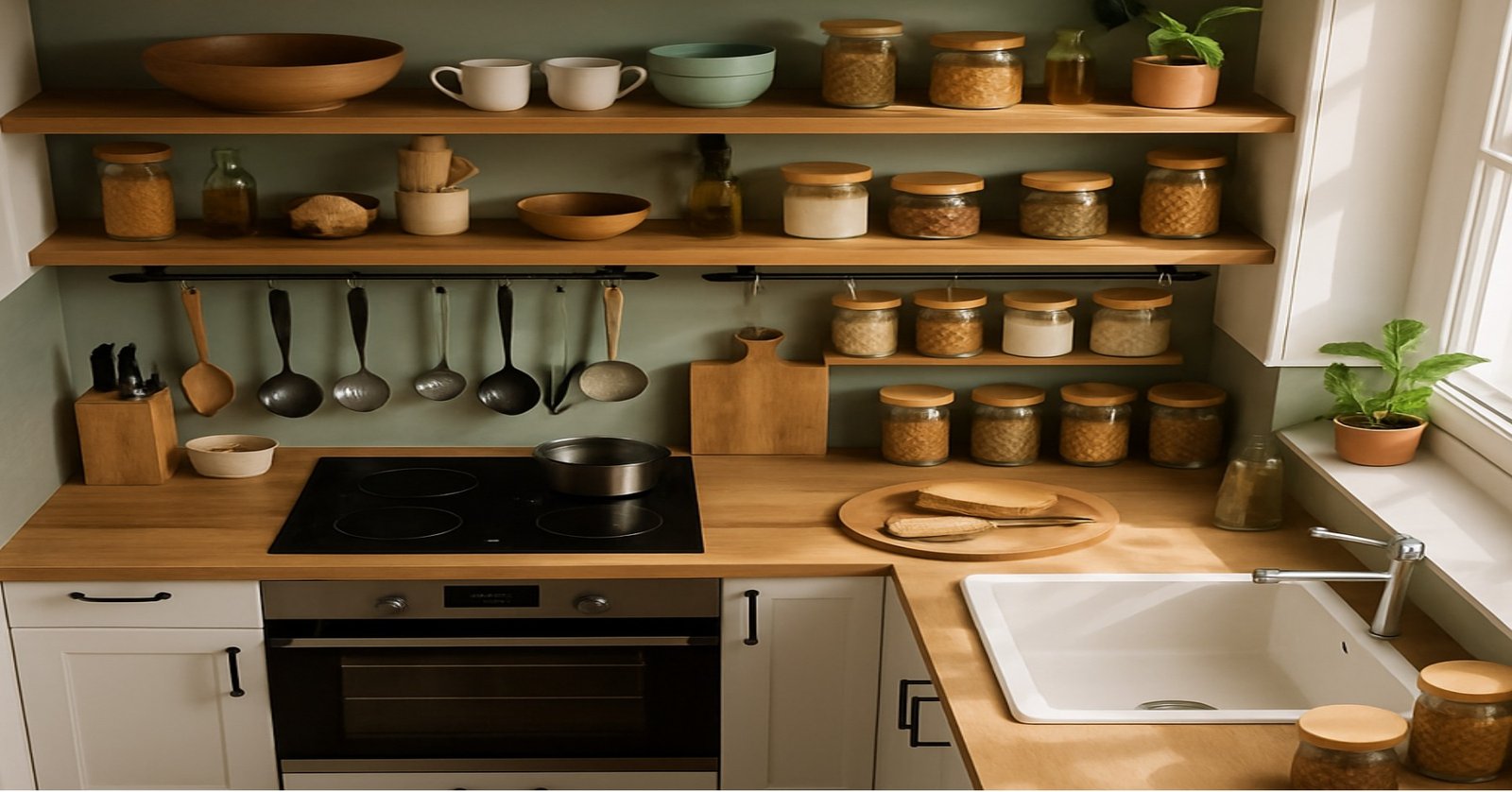
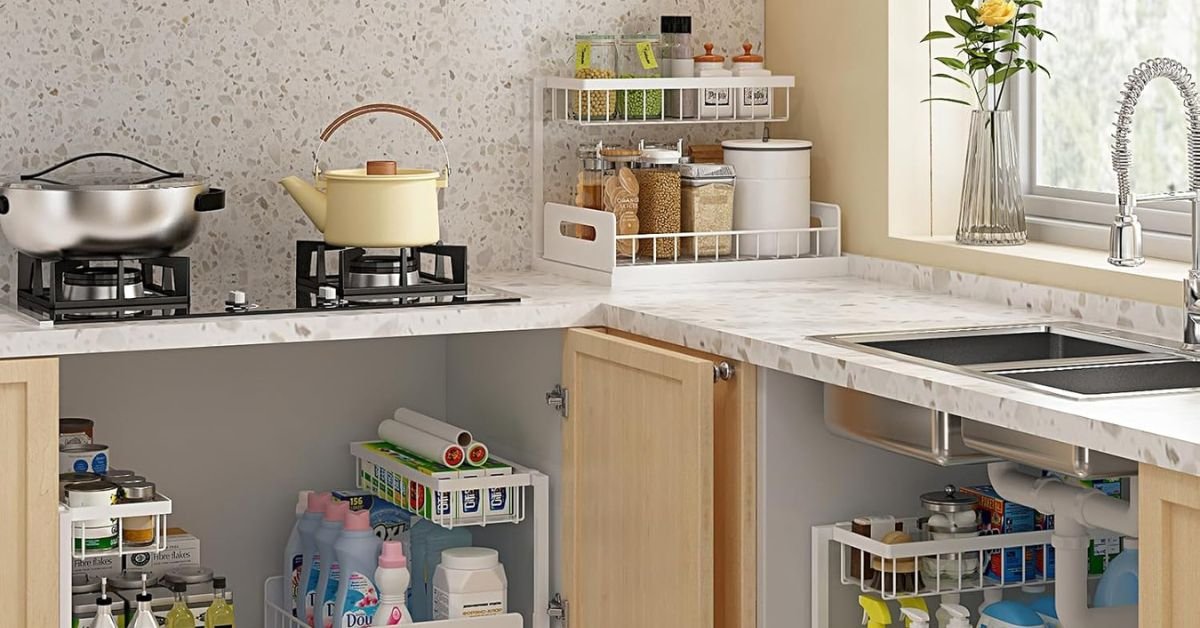
When you plan kitchen storage, don’t overlook the vertical space in your kitchen. Install wall-mounted shelves or hanging racks for items you use frequently. You can also add a magnetic knife strip, pot rack, or inside-cabinet hooks for lids and measuring cups. A lazy susan in a corner cabinet or pull-out pantry shelves can make hard-to-reach items more accessible.
5. Customize Your Storage Plan
Every kitchen is different, so tailor your storage plan to fit your layout and lifestyle. For smaller kitchens, focus on space-saving solutions like stacking bins, pull-out drawers, and narrow rolling carts. If you’re redesigning or upgrading, consider modular or adjustable shelving to make your setup flexible. A personalized approach helps you plan kitchen storage that truly suits your cooking habits.
6. Implement Practical Kitchen Organization Ideas
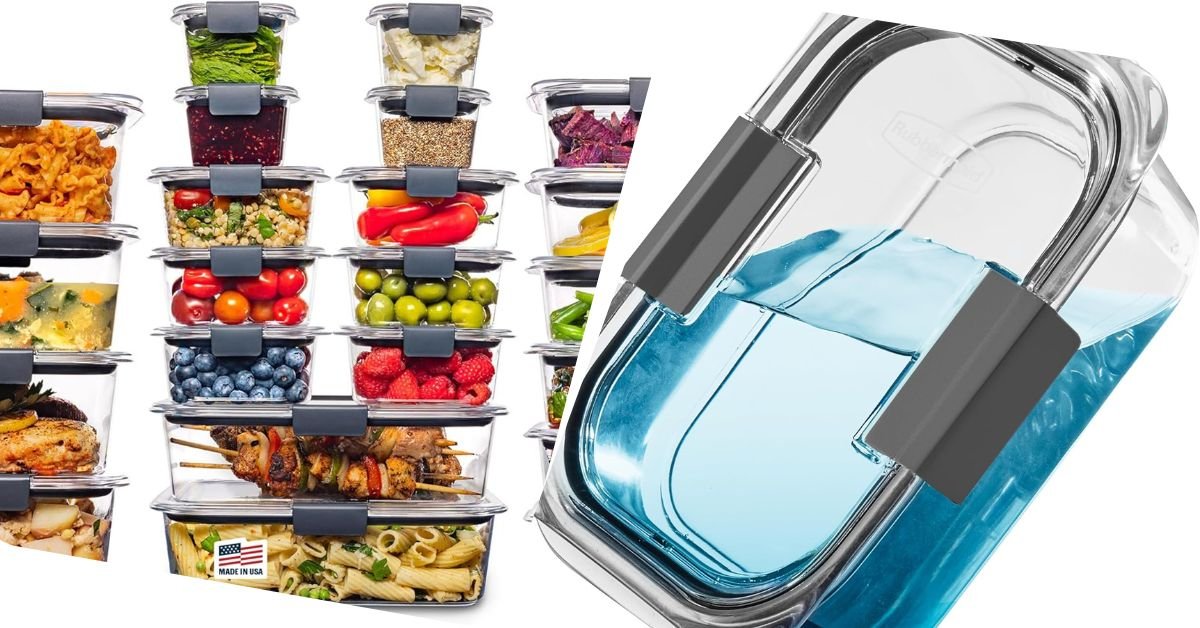
Put your plan into action by using simple yet effective organization tools. Use drawer organizers for utensils, spice racks for condiments, and transparent containers for pantry items. Try attaching lid holders to cabinet doors or using tiered shelves to maximize visibility. You can even explore smart storage products from brands like IKEA or local kitchen design stores for inspiration.
7. Maintain and Review Regularly
After you plan kitchen storage and put everything in place, remember to maintain it. Review your setup every few months to ensure it still meets your needs. As your cooking habits change, you may need to adjust placements or swap out containers. Keeping your kitchen organized is an ongoing process that ensures lasting efficiency and simplicity.
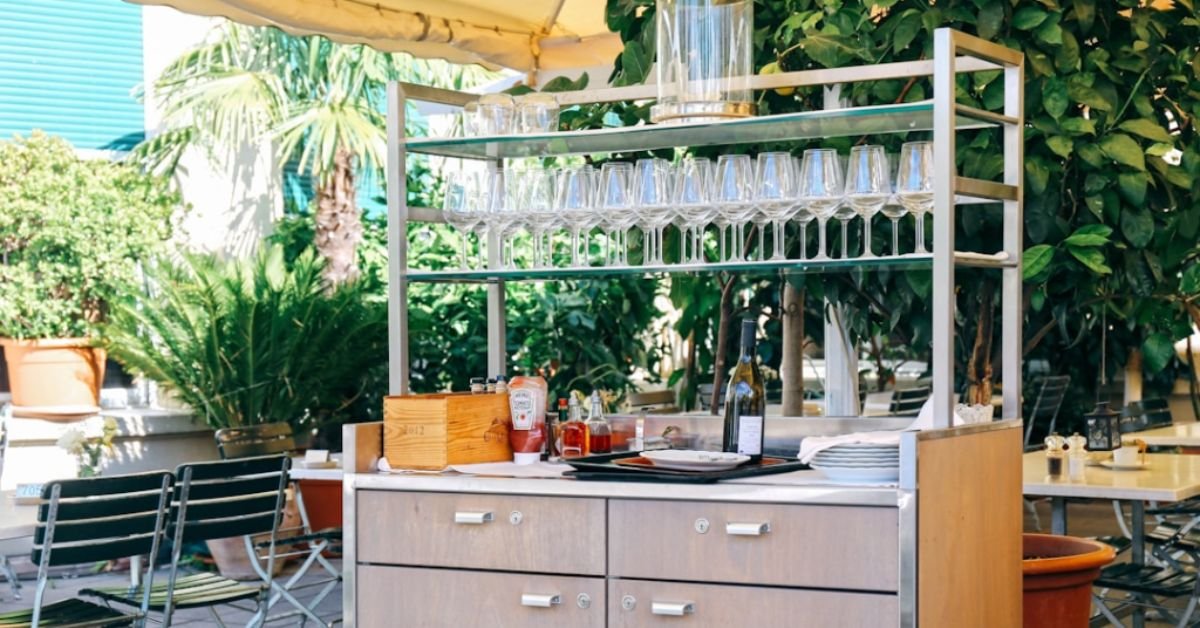
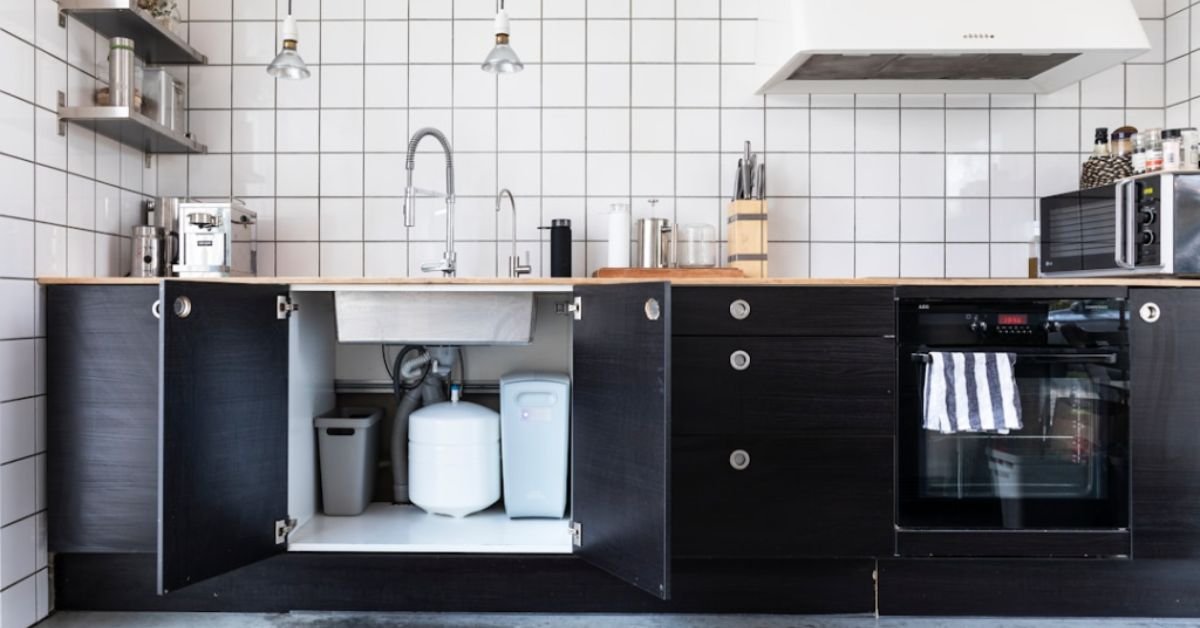
When you plan kitchen storage, choosing the right storage solutions is key to achieving a functional and clutter-free kitchen. You can select from options like cabinets, drawers, shelves, and pull-out units — each offering unique benefits depending on your layout and cooking habits. For example, upper cabinets are perfect for storing pots, pans, and less frequently used items, helping you maximize vertical space. Lower cabinets, on the other hand, are ideal for heavier or larger kitchen tools and appliances. Drawer organizers can keep utensils neatly arranged, while pull-out units make accessing pantry goods effortless. When you thoughtfully plan kitchen storage, you create a kitchen that’s efficient, organized, and enjoyable to use every day.
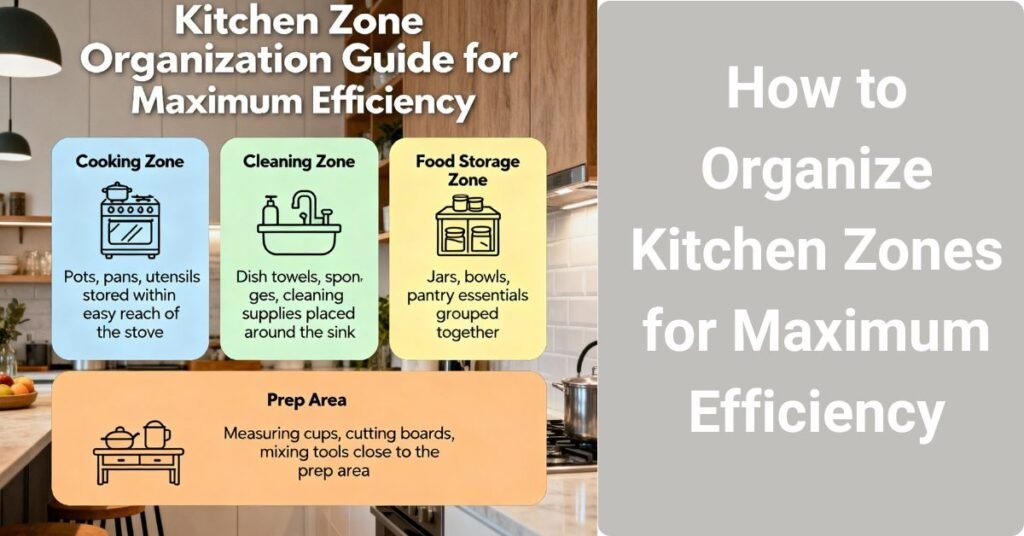
To make your kitchen more organized and efficient, it’s important to plan kitchen storage with a clear zoning strategy. Start by dividing your kitchen into functional zones that suit your daily routines. For instance, design a cooking zone where pots, pans, and utensils are stored within easy reach of the stove. Create a cleaning zone around the sink for dish towels, sponges, and cleaning supplies, ensuring everything you need is conveniently located. In the food storage zone, keep jars, bowls, and pantry essentials grouped together to maintain order and accessibility.
When you plan kitchen storage this way, you minimize clutter and streamline meal preparation. Group similar items — like measuring cups, cutting boards, and mixing tools — close to your prep area for maximum convenience. A thoughtfully organized layout not only saves time but also transforms cooking into a smoother and more enjoyable experience.
To effectively plan kitchen storage, start by assessing the space you have and identifying which items you use most often. Make a list of your essential kitchen tools, utensils, and appliances to determine what needs to be easily accessible. As you plan kitchen storage, think vertically — invest in drawer organizers, wall-mounted racks, and shelving solutions to make the most of limited space. This thoughtful approach helps you maximize every inch of your kitchen while keeping it functional, neat, and efficient.
In smaller kitchens, vertical storage is often more effective as it utilizes wall space and cabinet height. Consider adding shelves, magnetic knife strips, or hooks to keep utensils and tools accessible while saving precious counter space.
Utilize cabinet space for larger appliances and consider using trays or lazy Susans for smaller appliances. Designate a specific area in your kitchen for seldom-used items to keep countertops clear and organized.
Use plastic containers, jars, and bowls to group similar items together. Repurpose items you already have, such as using muffin tins for organizing lids or dish towels. Simple DIY solutions can significantly optimize kitchen storage.
Start by categorizing your food items and using clear containers for easy visibility. Implementing a lazy Susan or tiered shelving can help maximize space while keeping everything tidy and accessible.
One Response